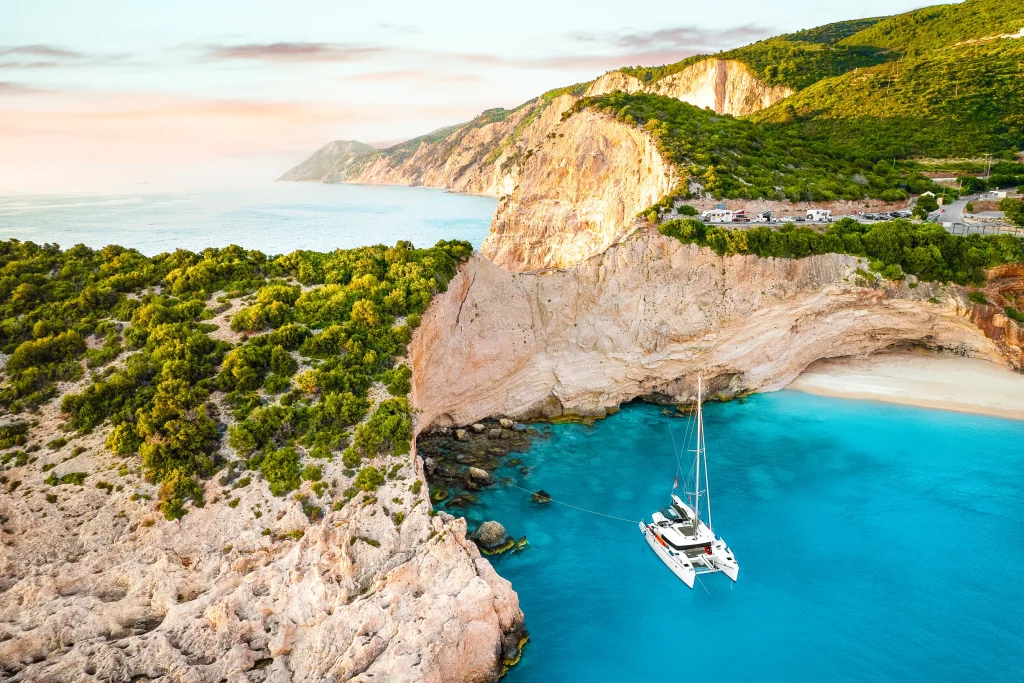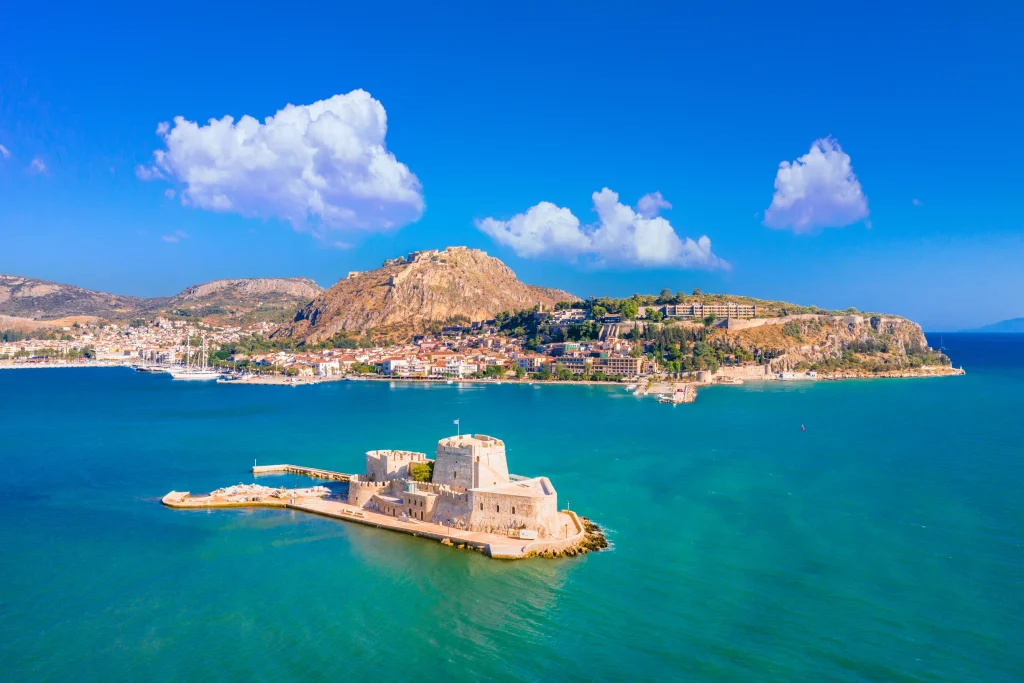
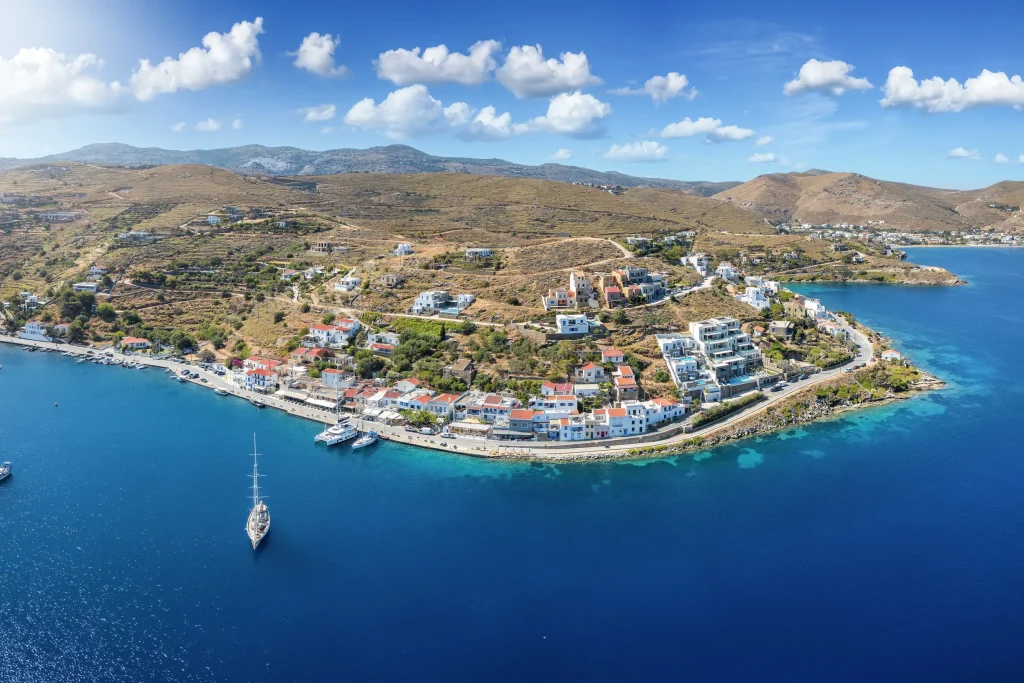
Two Weeks, One Loop: The Complete Cyclades Catamaran Circuit for 2027
The complete two-week Cyclades catamaran loop from Athens, with layover days built in to absorb the meltemi.
Read more
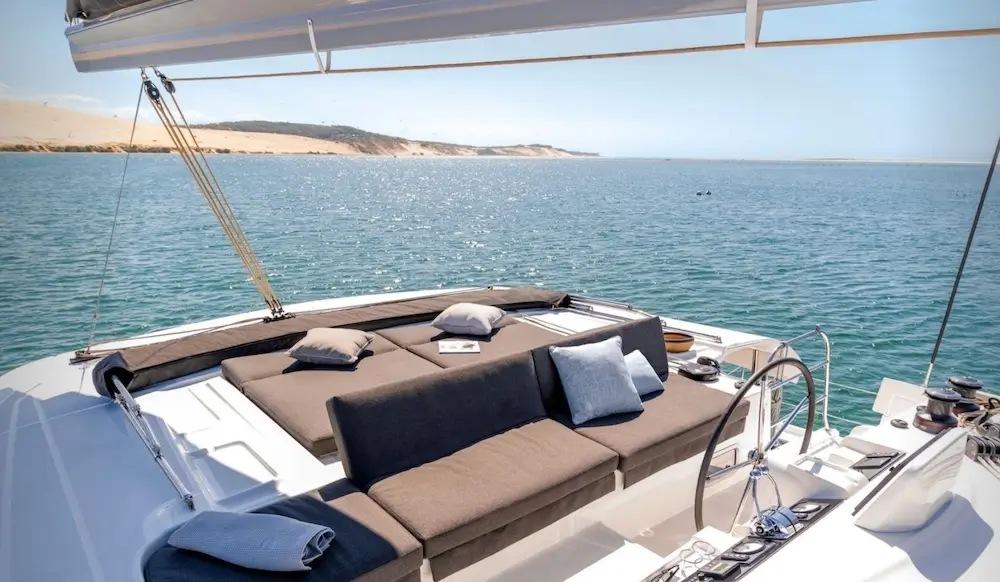
Greece, with its stunning archipelago and crystal-clear waters, is a prime destination for nautical enthusiasts. Understanding the costs involved in renting a boat is key to planning your dream sailing holiday in this Mediterranean paradise.
Several factors affect the cost of renting a boat in Greece, including the type of vessel, rental duration, season, and additional services. This section aims to provide a comprehensive overview to help you budget for your trip.
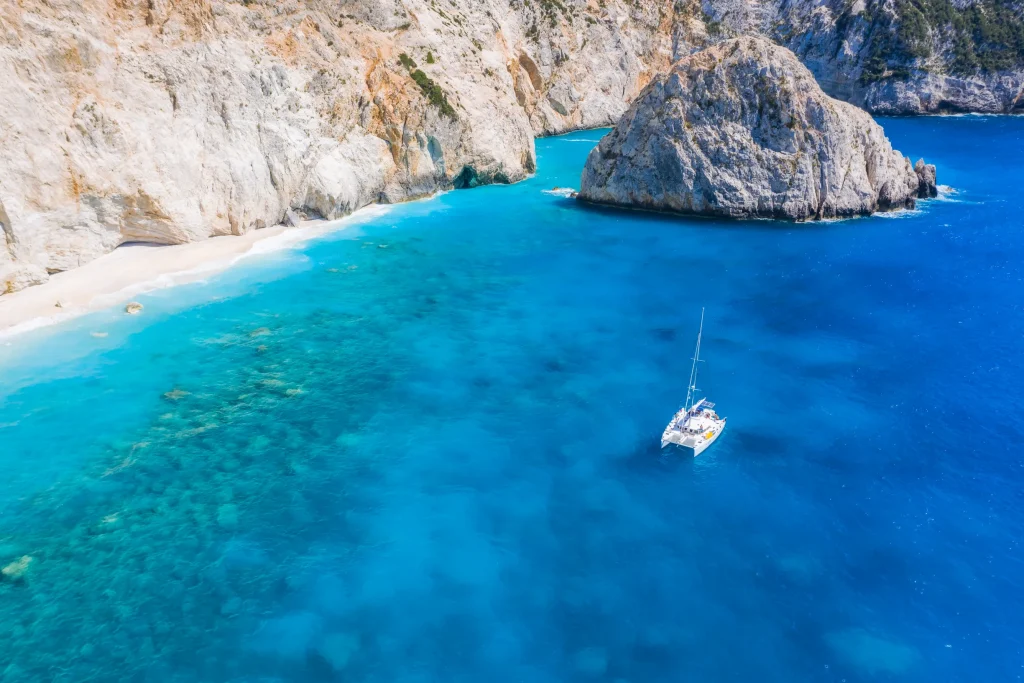
From luxurious yachts to cozy sailboats and modern catamarans, the choice of vessel greatly impacts the rental cost. A yacht charter in the Greek islands offers a blend of comfort and elegance, while a sailing charter in Greece provides a more traditional sailing experience.
Catamarans, known for their stability and space, tend to be pricier than monohulls. However, their features, such as larger living areas and better fuel efficiency, often justify the higher cost.
Rental costs can vary widely based on the boat type and specifications. On average, renting a sailboat or a monohull can start from a few thousand euros per week, while catamarans and luxury yachts may cost several thousand more.
Peak season (June to August) typically sees higher rental rates due to increased demand. Conversely, booking during the shoulder season (April, May, September, October) can be more cost-effective.
Apart from the base rental fee, additional costs such as skipper fees, fuel, mooring fees, and provisioning must be considered. Some charters offer all-inclusive packages, while others charge these as extras.
Insurance and security deposits are standard for boat rentals. These costs safeguard against damages and incidents, providing peace of mind during your sailing adventure.
This first section provides an introduction to the costs associated with renting a boat in Greece. Understanding the types of boats available and the factors influencing rental prices is essential for planning your sailing holiday. The next sections will delve deeper into detailed cost breakdowns, tips for cost-effective chartering, and how to maximize your budget for an unforgettable Greek sailing experience.
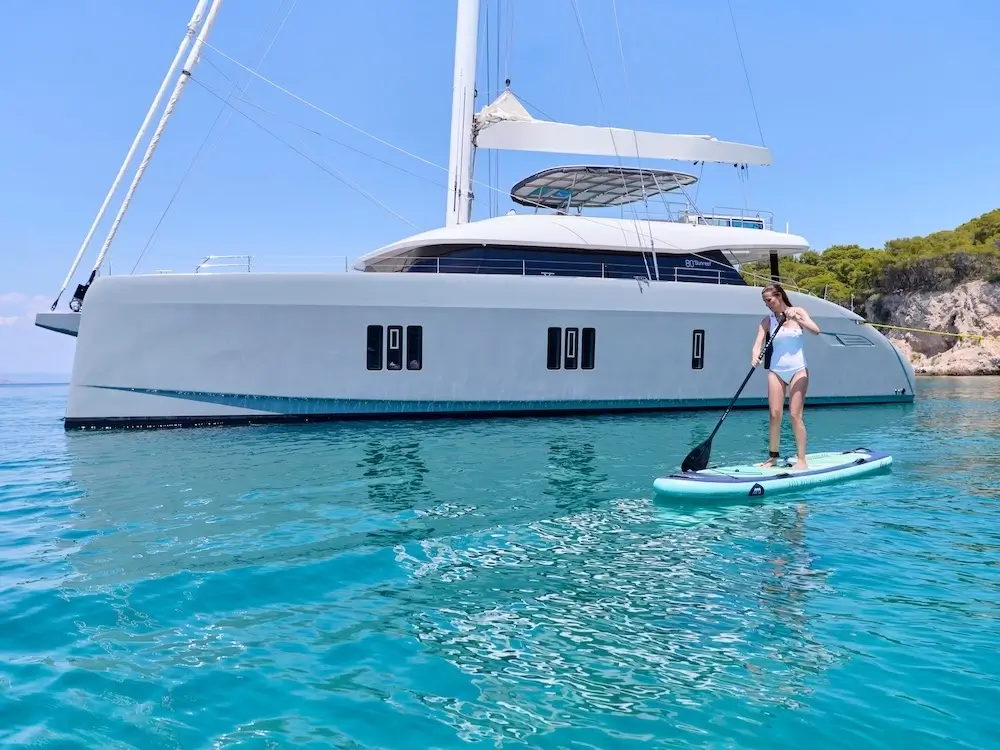
Exploring The Costs Of Renting A Boat In Greece 2
The base rental fee is the primary cost component when renting a boat in Greece. This fee typically covers the boat usage for the specified period. It’s important to note that the size, type, and age of the boat significantly influence this cost.
Usually, the base fee includes the boat, standard safety equipment, and navigational instruments. Check with the rental company for specific inclusions like catamaran in Greece.
Hiring a skipper and crew is common for those who prefer a guided experience or lack sailing expertise. Skipper fees vary but typically range from 150 to 250 euros per day.
While some charters offer catering services at an additional cost, others might require you to manage your provisions. Budgeting for food and drinks is crucial, especially for longer trips.
Docking at marinas incurs mooring fees, which depend on the size of the boat and the marina’s location. Popular spots like Mykonos and Santorini may have higher fees.
Fuel costs can fluctuate based on your sailing itinerary and the boat’s fuel efficiency. It’s advisable to estimate fuel expenses based on your planned route.
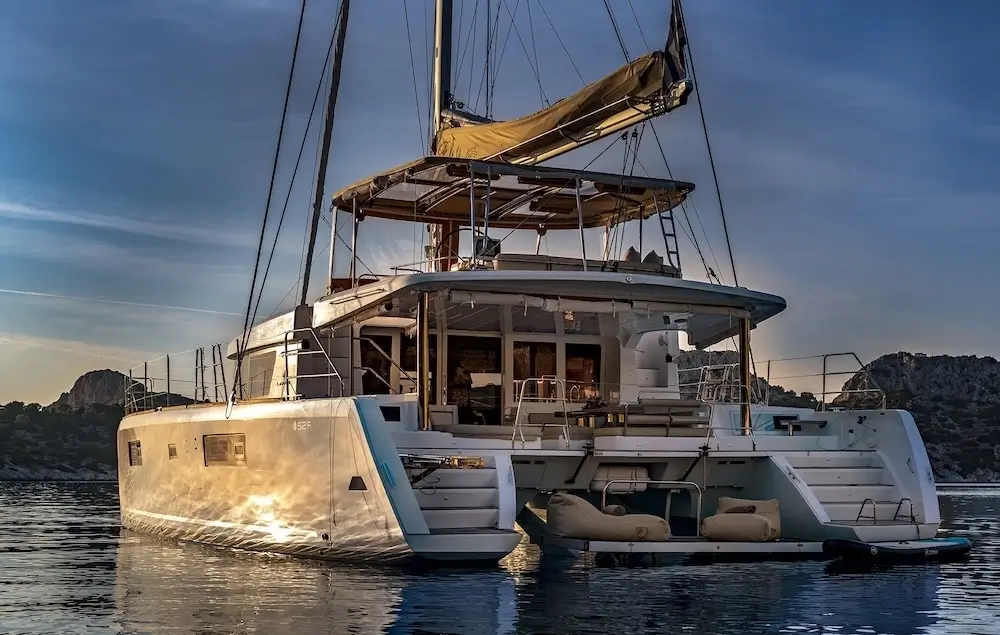
Exploring The Costs Of Renting A Boat In Greece 3
Booking well in advance can often secure you a better rate. Many companies offer early bird discounts, which can be substantial.
Consider traveling during the shoulder season for lower rental rates. The weather is still pleasant in Greece during these months, and the islands are less crowded.
Some companies offer all-inclusive packages that cover most expenses, including food, fuel, and mooring fees. Comparing these with pay-as-you-go options is essential to determine the most cost-effective choice for your needs.
Always read the contract carefully to understand what’s included in the price and what’s not. Hidden fees can significantly affect your budget.
This section provided a detailed breakdown of the costs involved in renting a boat in Greece. Understanding these expenses and utilizing cost-saving strategies can help you plan a budget-friendly yet enjoyable sailing trip. In the next section, we’ll explore how to maximize your experience while keeping costs in check, ensuring your Greek sailing adventure is both memorable and affordable.
Select a boat that balances comfort with cost. Consider the size and amenities you really need. A smaller, well-equipped boat can often offer a more intimate and affordable sailing experience.
Optimize your sailing route to minimize fuel consumption and mooring fees. Focus on destinations that are close together and offer free anchoring options to reduce costs.
Identify elements of your trip worth splurging on, like a special dinner in a renowned Greek taverna or a day spent in a high-end marina like those in Santorini or Mykonos. These experiences can enhance your trip significantly.
Save on aspects like onboard meals by cooking yourself, or choose less popular but equally charming destinations where mooring and living costs are lower.
Allocate a portion of your budget for unforeseen expenses. This might include last-minute changes in itinerary, weather-related costs, or additional provisioning needs.
Regularly check for deals or last-minute offers. Many sailing charter Greece companies provide discounts for late bookings or longer charter durations.
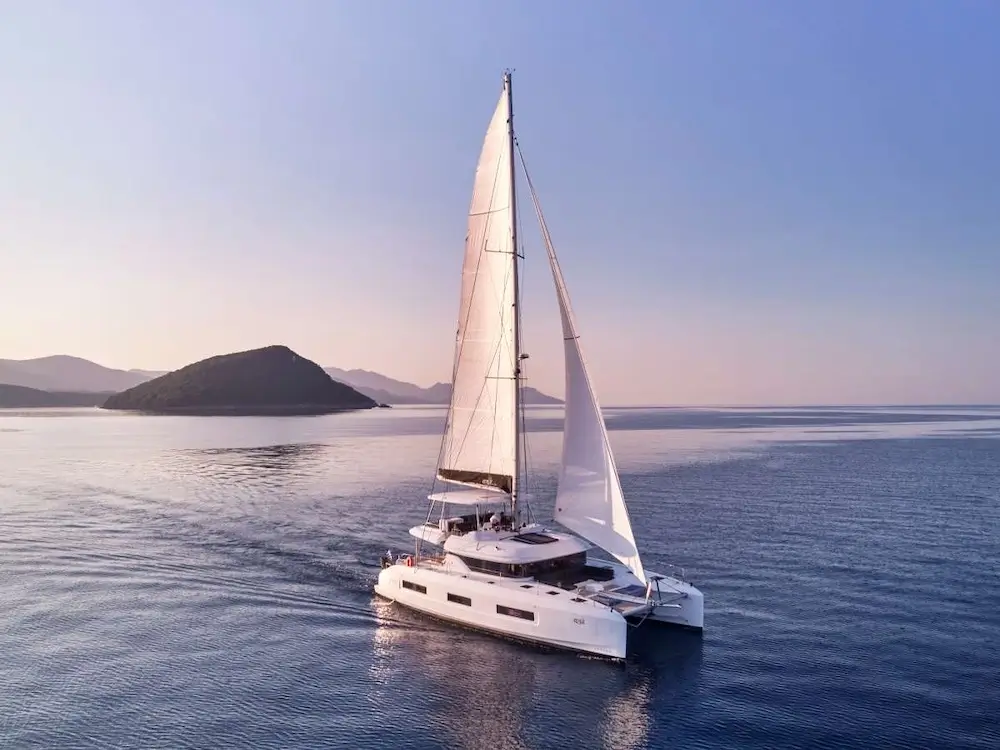
Exploring The Costs Of Renting A Boat In Greece 4
Greece is filled with natural beauty that doesn’t cost a thing. Enjoy stunning sunsets, swim in crystal-clear waters, and hike to breathtaking viewpoints.
Participate in local cultural events, which are often free and offer a deep insight into Greek traditions and lifestyles. This not only enriches your travel experience but also helps to keep entertainment costs low.
Flexibility can lead to cost savings. Being open to changing your itinerary based on weather, local recommendations, or discovered hidden gems can enhance your experience while saving money.
Explore lesser-known islands or coastal towns that offer unique experiences at a lower cost than the more famous destinations. These places often provide a more authentic glimpse of Greek life.
Renting a boat in Greece for a week can be a dream come true with proper planning and budget management. By understanding the costs involved, utilizing cost-saving strategies, and embracing the beauty and culture of Greece, you can have a memorable sailing experience without overspending. The key is to balance your desires with your budget, allowing you to enjoy the best of the Greek islands from the unique perspective of the sea.
Choose your dates and destination, browse our fleet, and use request a quote to lock in pricing. Our team confirms availability with the agency and emails the booking summary within 24 hours.
For most bareboat charters in Greece you need a recognised skipper certificate (RYA Day Skipper, ICC, or equivalent) plus a VHF licence. If you don’t hold one, we book a professional skipper alongside the boat for the week.
The base charter fee covers the boat, standard equipment, insurance, and final cleaning fee in most cases. Extras such as fuel, port fees, transit log, tourist tax and skipper service are billed separately and explained in the booking summary.
For peak weeks (mid-July to late August) we recommend booking 6–9 months ahead to lock in the boat and the early-bird discount. Shoulder seasons (May, June, September) usually have availability up to a month before departure.
This guide was prepared by the Catamaran Charter Greece editorial team — a group of charter brokers and sailors who have been organizing yacht charters in Greece since 2013. Every itinerary, marina, and pricing range described here reflects current first-hand fleet experience and direct partnership with licensed charter agencies. Last reviewed: May 2026.
If a detail looks out of date, write us at www.catamaran-charter-greece.com/contact — we update guides quarterly.