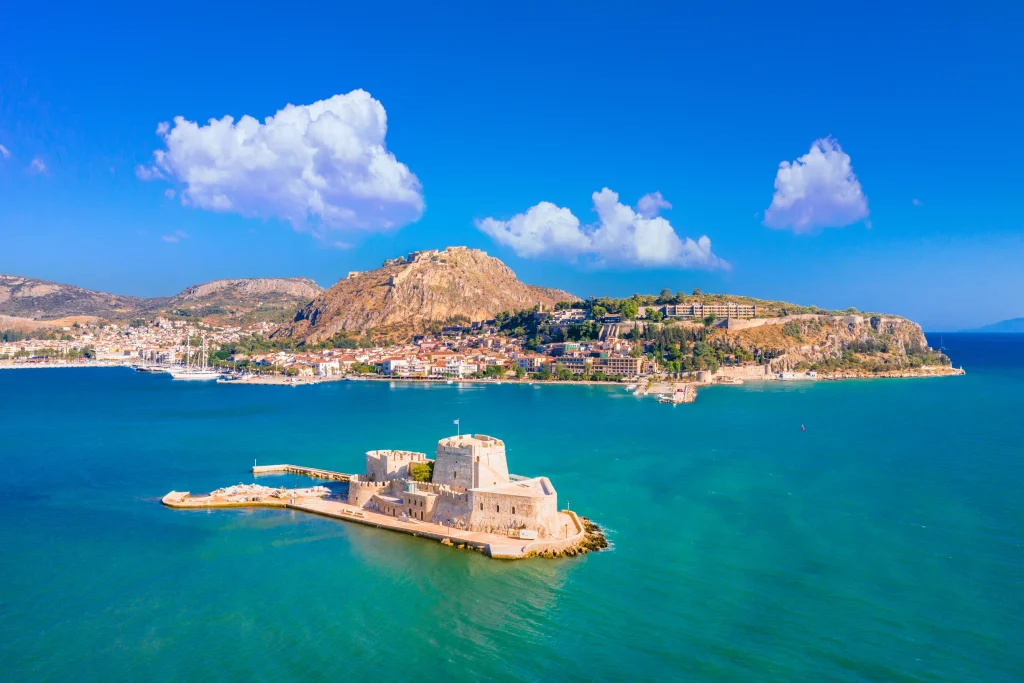
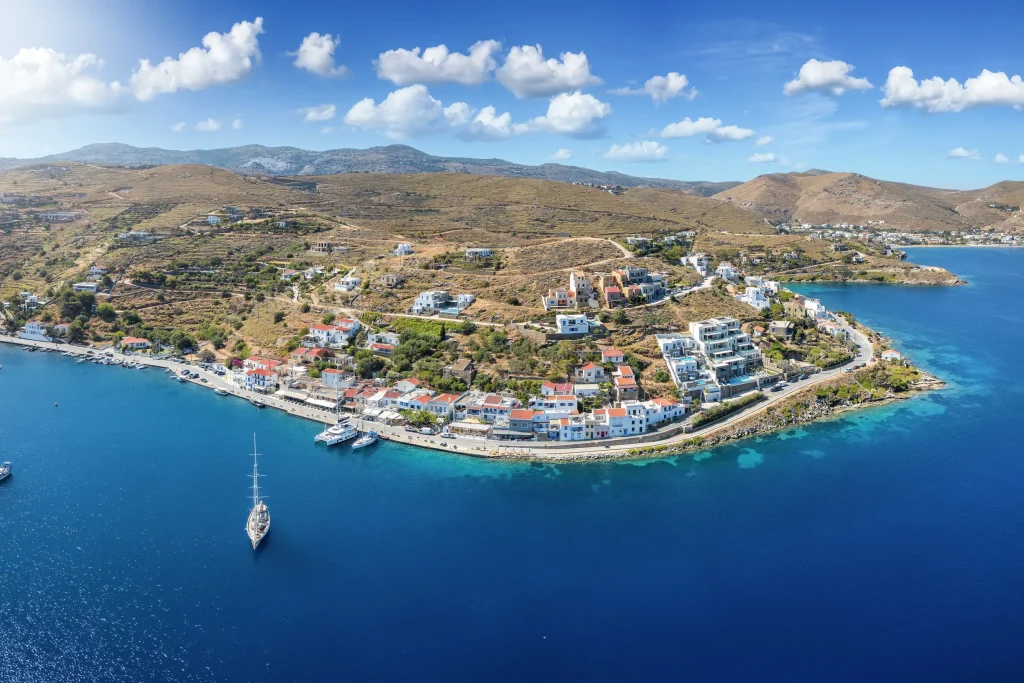
Two Weeks, One Loop: The Complete Cyclades Catamaran Circuit for 2027
The complete two-week Cyclades catamaran loop from Athens, with layover days built in to absorb the meltemi.
Read more
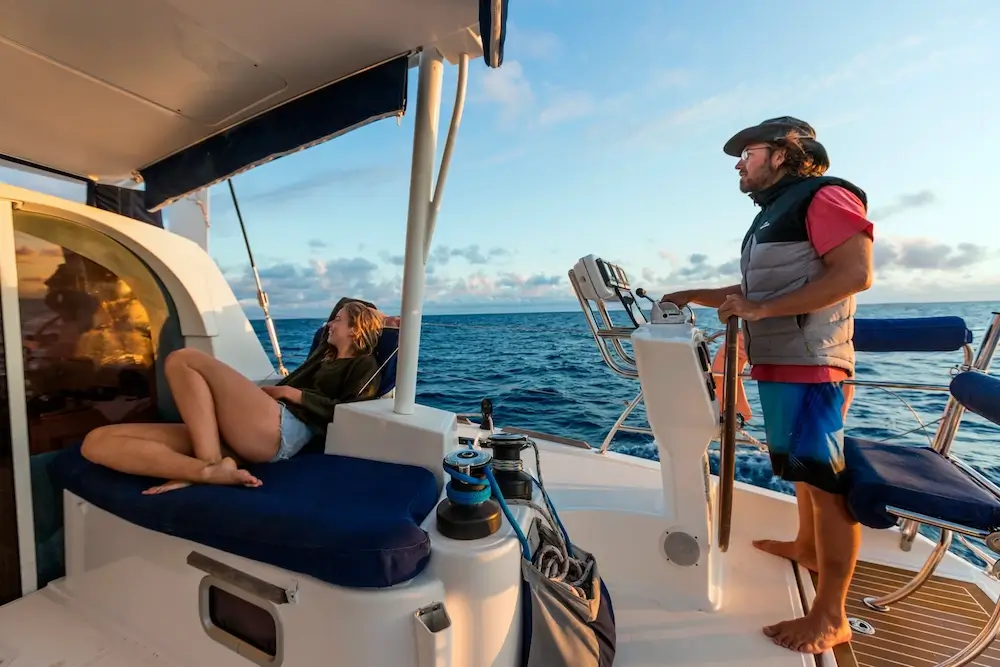
Greece, with its sprawling archipelago and clear blue waters, beckons seafarers and adventurers alike. If you’re considering a sailing holiday, renting a charter boat in Greece can be an exhilarating experience that combines autonomy with adventure. Here’s what you need to know to set sail on your own Grecian odyssey.
To take the helm of a boat charter in Greece, a valid sailing license is essential. Your competency will need to be proven, often through a sailing resume that showcases your experience on similar-sized vessels.
An International Certificate of Competence (ICC) or an equivalent national certificate from your country is typically required. This ensures you have the necessary skills to navigate and manage the vessel safely.
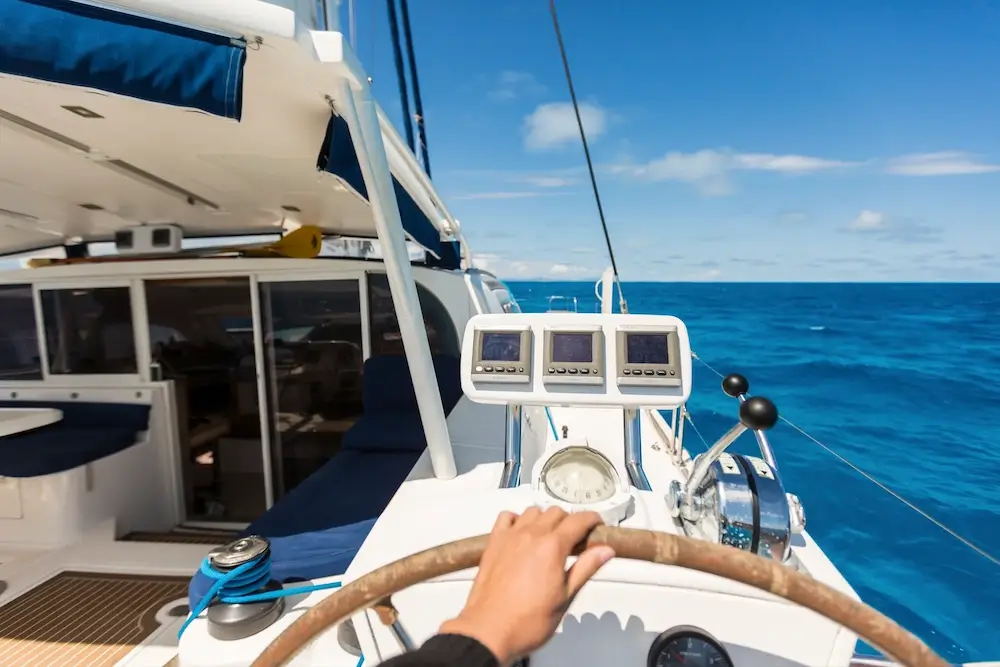
Sailing Guide To Renting A Charter Boat In Greece 2
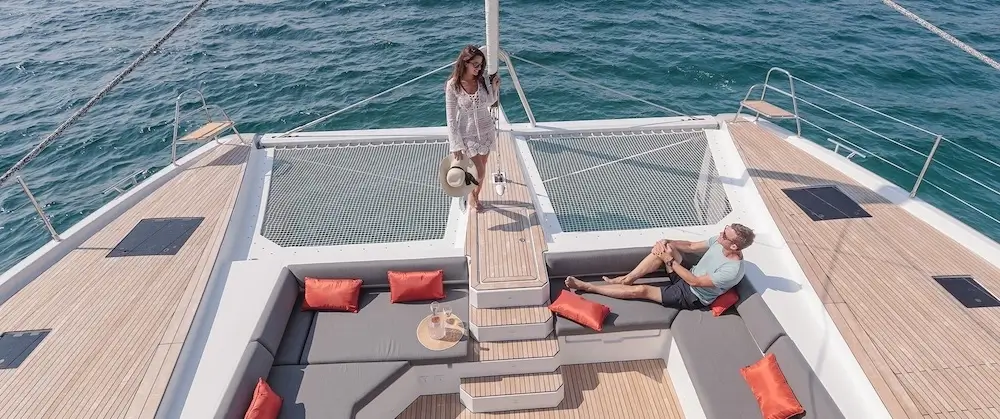
Your choice between a catamaran charter in Greece and a monohull will depend on your experience and comfort level. Catamarans offer stability and space, while monohulls provide a more traditional sailing experience.
Consider the size of your party and the level of comfort you desire. Amenities can range from basic to luxurious, so choose a boat that aligns with your preferences and sailing plans.
Greece offers diverse destinations, from the famous Cyclades to the serene Saronic Gulf. Planning your route is essential for a smooth journey.
Understanding the local weather and wind patterns is crucial for a safe trip. The Meltemi winds, for instance, can be challenging for inexperienced sailors.
Familiarize yourself with Greek maritime laws and safety regulations to ensure a hassle-free sailing experience.
Your charter should be equipped with all the necessary safety gear. Make sure you know how to use it and conduct a safety briefing with all passengers.
Sailing Guide To Renting A Charter Boat In Greece 3
Provision your boat with enough food, water, and supplies for your journey. Packing light but smart is key, considering the limited storage space on board.
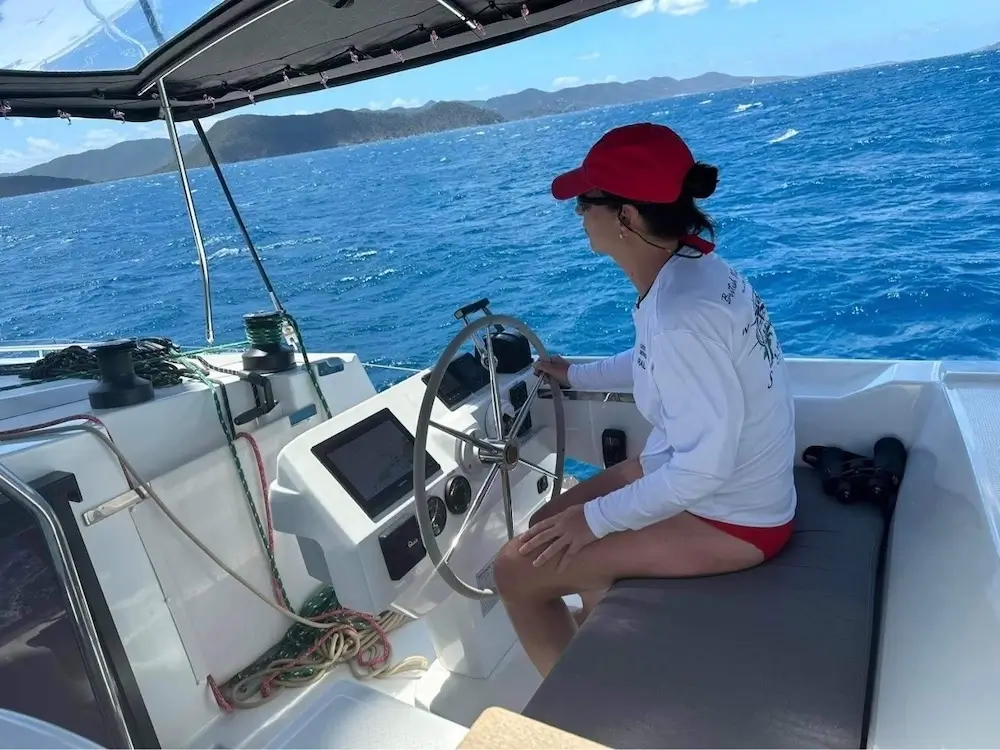
Before departure, the charter company will provide a comprehensive briefing. Pay close attention to the walkthrough of the boat’s systems and operations.
Ensure you have a clear understanding of the insurance coverage and damage waivers provided by the charter company.
Know the locations of petrol stations and plan your refueling stops accordingly to avoid being stranded.
Learn about marina etiquette and the process of mooring in Greece, as it may differ from other regions.
Sailing Guide To Renting A Charter Boat In Greece 4
The charter company should offer support and advice for troubleshooting any issues you may encounter while at sea.
Embarking on a self-chartered sailing trip in Greece is not just about the freedom to explore but also about the responsibility to prepare and navigate safely. With the right knowledge, preparations, and respect for the sea, your Greek sailing charter will be an unforgettable adventure.
Embarking on a Greece sailing charter adventure is a dream for many. To make this dream a reality, you must navigate through the practical steps of renting and managing a charter boat in Greece. Here’s what to anticipate and how to prepare for your seafaring journey.
Do your research to find a reputable charter company that has a fleet of well-maintained boats. Look for customer reviews and ratings to gauge reliability and service quality.
Whether it’s a sleek monohull or a spacious catamaran, your choice should align with your sailing skills and comfort preferences. Size does matter, as it dictates both the capacity and the ease of handling.
Read the fine print of your charter agreement. It should detail everything from payment terms to what happens in case of unexpected damages or cancellations.
Ensure you have all the required permits, and insurance coverage suggested by the charter company. This will protect you against any unforeseen liabilities.
Many charter companies offer a mandatory pre-departure training session. This is where you get acquainted with your vessel’s specific features and quirks.
Plan your meals and snacks, and don’t forget to stock up on water and other essentials. Consider the length of your trip and storage capabilities when provisioning.
Chart out your course, keeping in mind the distances between stops, the availability of mooring spaces, and no-go zones. Always have a Plan B in case of changing weather conditions.
Make sure your boat is equipped with all necessary safety gear. Every person on board should be briefed on safety procedures and know-how to use life jackets and rafts.
Ensure you have a reliable means of communication, such as a VHF radio or a satellite phone, especially in areas where mobile reception is unreliable.
Engage with locals, explore hidden coves, and immerse yourself in the sailing culture. Remember to respect the marine environment and adhere to eco-friendly practices.
Sailing Guide To Renting A Charter Boat In Greece 5
Familiarize yourself with basic troubleshooting techniques for common issues such as engine troubles, electrical faults, or sail damage.
Upon your return, the charter company will inspect the boat for damages. Be transparent about any incidents to avoid disputes and ensure a smooth check-out process.
Mediterranean mooring is a space-saving technique that can be tricky for beginners. Practice makes perfect, and it’s essential for docking in the often-crowded Greek marinas.
Learn the art of anchoring, giving ample space to other vessels, and ensuring your anchor is well set to prevent dragging.
The Meltemi winds can offer exhilarating sailing but also require respect and skill. Knowing when to reef and when to rest is part of safe sailing practices.
Remember, the journey is as important as the destination. Take time to enjoy the Mediterranean sun, the azure waters, and the unique landscapes.
From ancient ruins to modern marinas, embrace the rich cultural experiences that each port offers. Indulge in local cuisine and partake in traditional festivities whenever possible.

Sailing Guide To Renting A Charter Boat In Greece 6
As your Greek sailing escapade draws to a close and the shoreline beckons you back to reality, it’s time to reflect on the adventures that have unfurled with the sails. Wrapping up your catamaran charter in Greece is just as crucial as the initial cast-off. Here’s how to leave the Aegean as gracefully as you entered it.
Inspect the boat alongside the company representative. Discuss any discrepancies and ensure that all parties agree on the boat’s condition upon return.
Provide honest feedback to the charter company. Your insights could improve the experience for future sailors and assist in maintaining high service standards.
Assuming no damage has occurred, your security deposit should be returned. Understand the timeline and process for this transaction to avoid any surprises.
Take time to reflect on what you’ve learned during your charter. Each challenge overcome is a testament to your growing prowess as a sailor.
Begin to envision your next maritime journey. Greece has countless islands and coves to explore; perhaps another charter in a different region is on the horizon?
Every trip enhances your skills. Consider taking advanced sailing courses or certifications to tackle more challenging waters in the future.
Connect with other sailing enthusiasts. Forums and clubs can be great resources for learning and sharing experiences.
Stay informed about new sailing technologies, best practices, and emerging destinations to keep your future voyages exciting and safe.
Sailing Guide To Renting A Charter Boat In Greece 7
Keep a logbook or a blog to document your travels. Photos, videos, and narratives will be treasures to look back on.
Share your experiences with friends and family. Your stories might inspire others to embark on their own sailing adventures.
As one journey ends, the allure of the sea continues to call. Embrace the rhythm of the waves and the promise of new horizons.
Choose your dates and destination, browse our fleet, and use request a quote to lock in pricing. Our team confirms availability with the agency and emails the booking summary within 24 hours.
For most bareboat charters in Greece you need a recognised skipper certificate (RYA Day Skipper, ICC, or equivalent) plus a VHF licence. If you don’t hold one, we book a professional skipper alongside the boat for the week.
The base charter fee covers the boat, standard equipment, insurance, and final cleaning fee in most cases. Extras such as fuel, port fees, transit log, tourist tax and skipper service are billed separately and explained in the booking summary.
For peak weeks (mid-July to late August) we recommend booking 6–9 months ahead to lock in the boat and the early-bird discount. Shoulder seasons (May, June, September) usually have availability up to a month before departure.
This guide was prepared by the Catamaran Charter Greece editorial team — a group of charter brokers and sailors who have been organizing yacht charters in Greece since 2013. Every itinerary, marina, and pricing range described here reflects current first-hand fleet experience and direct partnership with licensed charter agencies. Last reviewed: May 2026.
If a detail looks out of date, write us at www.catamaran-charter-greece.com/contact — we update guides quarterly.