Two Weeks, One Loop: The Complete Cyclades Catamaran Circuit for 2027
The complete two-week Cyclades catamaran loop from Athens, with layover days built in to absorb the meltemi.
Read more
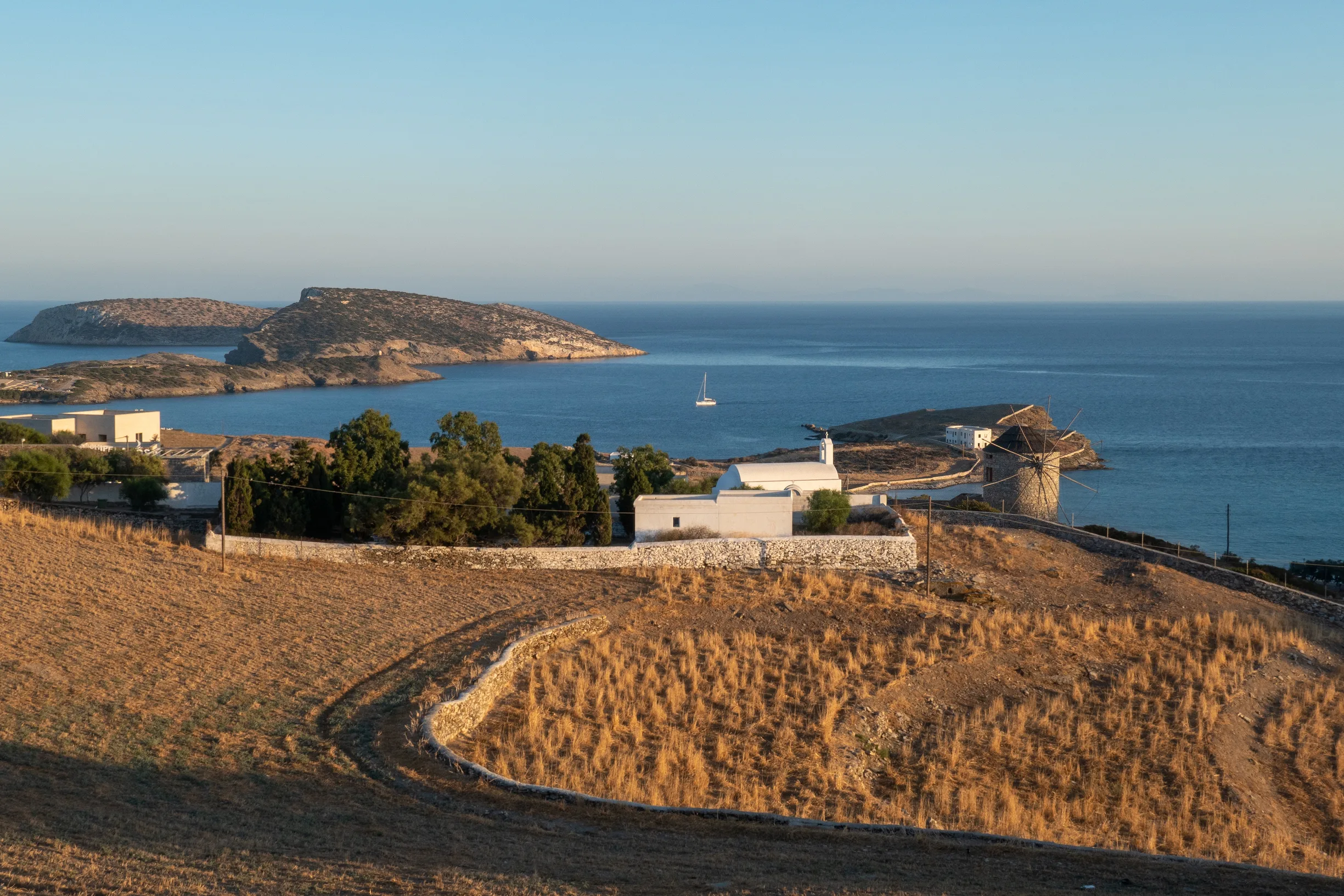
Ask a charter broker which month they would keep for themselves and a surprising number say October. The sea is still summer-warm, the August crowds have gone, and boat prices drop noticeably. But sailing greece in october is a genuine trade-off, not a free upgrade — the days are shorter, the weather is less settled, and some islands begin shutting up shop.
This is the honest decision piece. We cover what the water and weather actually do in October, where the month genuinely works versus where it disappoints, how much cheaper it really is, and which tavernas and services you can still count on. The aim is to help you book October with your eyes open rather than on a postcard hunch.
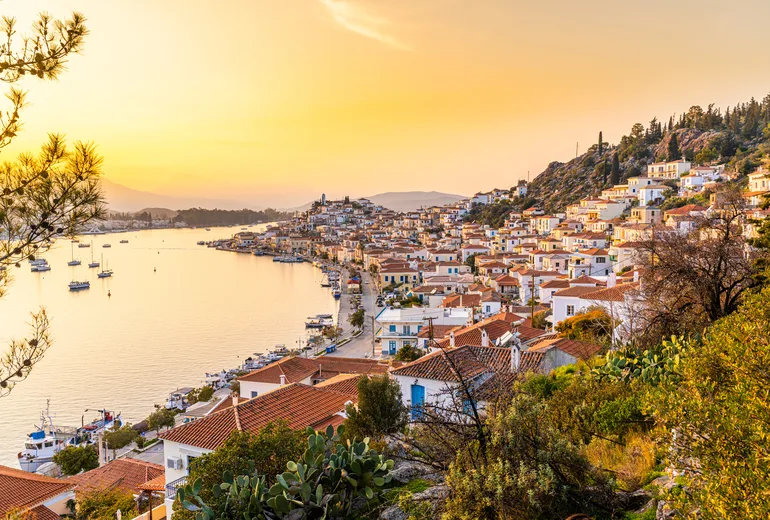
The headline number is the sea temperature: after a long summer of heating, Greek waters sit around 21–23°C through most of October, warmer than many people manage in June. Swimming is still a pleasure, especially in the first three weeks. Air temperatures run pleasant rather than scorching, typically low-to-mid twenties by day, dropping enough at night that you will want a fleece in the cockpit — a welcome change from August’s sticky heat.
The catch is stability. The reliable summer meltemi fades through the month, which is good news, but it is replaced by a more changeable pattern as autumn lows start tracking across the Mediterranean. You can get a run of flawless, glassy days, then a front bringing fresh southerlies and the season’s first rain. Forecasts matter far more than in July, and a flexible itinerary matters even more. The other hard limit is daylight: by late October the sun sets before 6:30pm, so you sail shorter legs and settle into anchorages earlier.
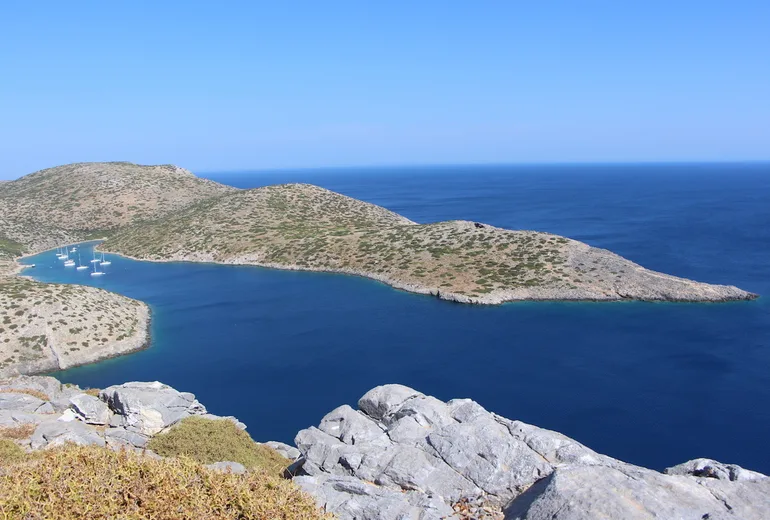
Plan around weather windows rather than a fixed route. Watch the forecast two or three days out, and when a front is coming, be near good all-weather shelter rather than committed to an exposed crossing. A single well-timed harbour day to let a southerly blow through often saves a wet, uncomfortable passage and costs you nothing but a long lunch ashore. The fading meltemi means the Cyclades become far gentler than in August, but autumn southerlies can make their south-facing harbours uncomfortable, so the calculus simply changes rather than vanishes. Our deeper look at how the Greek wind forecast and the meltemi behave is even more useful in the shoulder season, when the patterns are less predictable.
Not all of Greece is equal in autumn. Three areas stand out. The Saronic Gulf is the safest October bet: close to Athens, full of all-weather anchorages like Porto Heli, and lively enough that Hydra, Poros and Aegina keep their tavernas open well into the month. Its short hops suit the shorter days. The south Ionian around Lefkas, Meganisi and Kefalonia stays green and sheltered, with the bonus that the Ionian rarely sees the meltemi and its protected waters forgive a changeable forecast. And the Dodecanese in the southeast — Rhodes, Symi, Kos — runs warmer and later than anywhere else, often delivering swimming weather into November.
Where October disappoints is the exposed outer Cyclades and any plan that depends on a buzzing nightlife scene. Mykonos and Santorini wind down fast after the first week, and small one-taverna islands may have closed for the winter. If your dream is empty anchorages and long lunches that is a feature; if it is beach clubs and crowds, October is the wrong month. The Saronic’s character holds up especially well, as our notes on sailing weather in the Saronic Gulf explain.
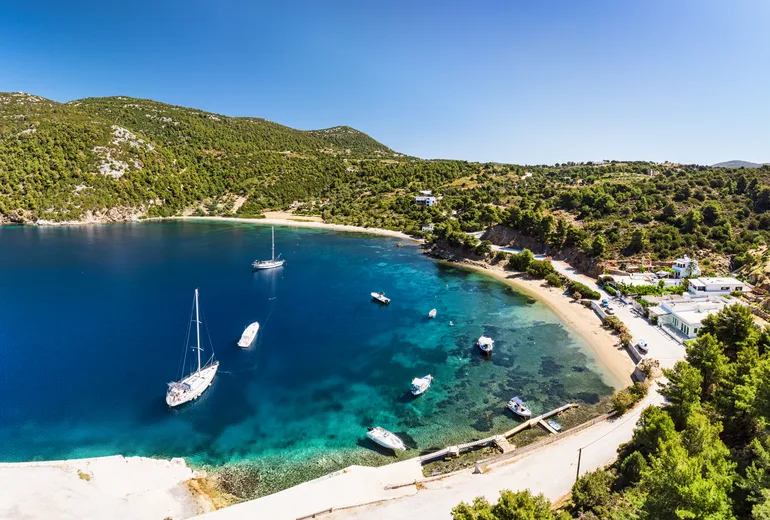
This is where October earns its reputation. Charter prices fall sharply from the August peak, with many boats 30–50% cheaper than high season for the same catamaran, and skippers and flotillas easier to book at short notice. Berthing and town quays are quieter, so you rarely fight for a spot, and restaurants that stay open are relaxed rather than rushed. Flights tend to soften too once the school holidays end.
Set against the savings is the calculation that some weeks get cut short or rerouted by weather, and that you are buying fewer daylight hours. Most crews find the maths still favours October handsomely, especially couples and experienced sailors who value space over guaranteed sun. The economics are a big part of why sailing Greece in October has quietly become a favourite among repeat charterers, who would rather pay less for an empty bay than top dollar for a packed one. For the wider picture of when to go and what each month costs you, our guide to the best time of year to charter in Greece sets October in context against the rest of the season.
Plan provisioning and dining around the rhythm of closures. In the bigger towns and on the Saronic and Ionian hubs, supermarkets, fuel and most tavernas run through October and often into November. On smaller or seasonal islands, expect a steady thinning from mid-month — the beach bars go first, then the outlying tavernas, with the year-round village places the last to remain. The safe approach is to keep a galley well-stocked from a proper supermarket town and treat taverna meals as a bonus you confirm island by island rather than assume.
Practically, that means doing your big provisioning shop in Athens, Lefkas, Lavrion or a large island port at the start of the week, then topping up fresh where you can. Carry a couple of self-catered evenings’ worth of food as insurance against a quiet island where the one taverna has shut for the season.
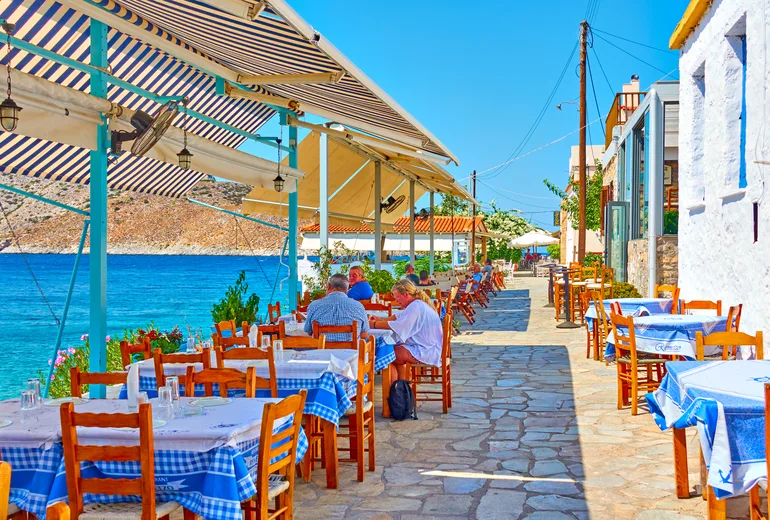
Sailing Greece in October rewards a particular kind of sailor: someone who wants warm water without the heat, empty bays without the August fleet, and a lower bill, and who will trade a little weather certainty and daylight for all of it. Couples, families with older children, and experienced crews tend to love it. First-timers nervous about changeable conditions, or anyone whose holiday hinges on nightlife and guaranteed beach-bar afternoons, are usually happier in June or September. The decision really comes down to temperament: pack a fleece, watch the forecast, and accept that one day in seven might be a harbour day rather than a sailing one. Choose the right region — Saronic, south Ionian or Dodecanese — keep the route flexible, and October is one of the quiet secrets of the Greek charter calendar.
For warm sea, empty anchorages and lower prices, yes — particularly in the Saronic Gulf, south Ionian and Dodecanese. The trade-offs are shorter days, less settled autumn weather and some tavernas closing. It suits couples and experienced crews more than anyone set on nightlife or guaranteed sunshine.
Sea temperatures usually sit around 21–23°C through most of October, often warmer than June after a long summer of heating. Swimming is comfortable, especially in the first three weeks, though the air cools noticeably at night, so pack a fleece for the cockpit.
The Saronic Gulf is the safest bet for shelter, open tavernas and short hops near Athens. The south Ionian stays green and protected with little meltemi risk, and the Dodecanese runs warmest and latest, sometimes into November. The exposed outer Cyclades and party islands are best avoided in autumn.
Catamaran prices typically fall 30–50% from the August peak for the same boat, with skippers and flotillas easier to book and quays far quieter. Flights soften after the school holidays too. Weather may cost you a rerouted day or two, but most crews find the savings well worth it.
In bigger towns and on the Saronic and Ionian hubs, supermarkets, fuel and most tavernas stay open through October. On small seasonal islands, closures build from mid-month. Provision from a large port at the start of the week and confirm taverna openings island by island rather than assuming.
Tempted by warm water and empty bays? Compare autumn boats and dates on our Greece catamaran destinations page and lock in an October week in the Saronic or south Ionian while the best boats are still free.