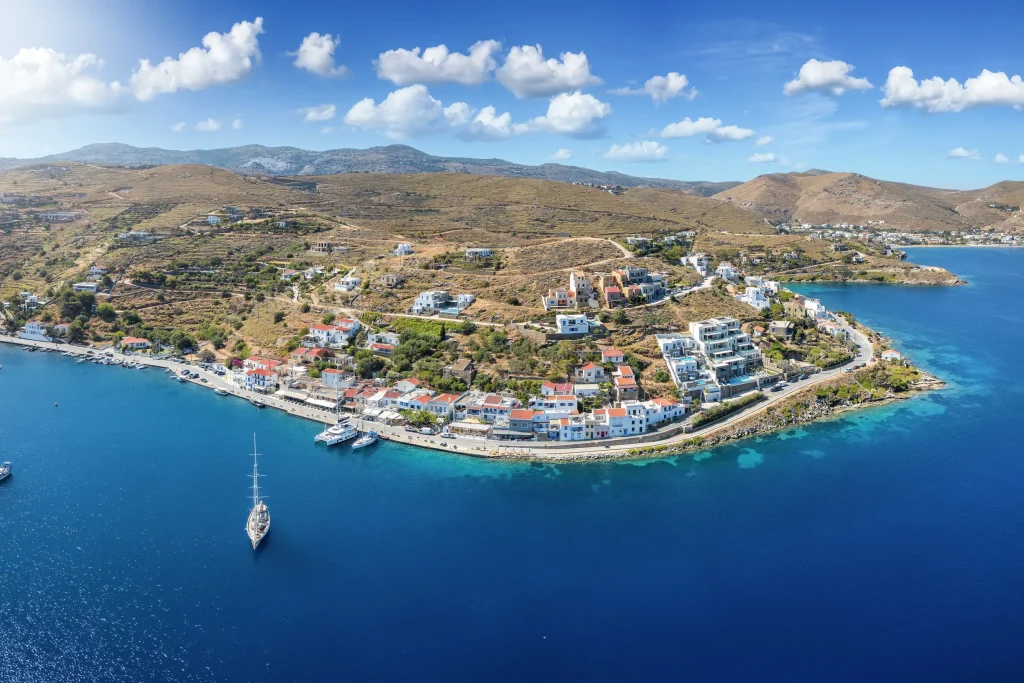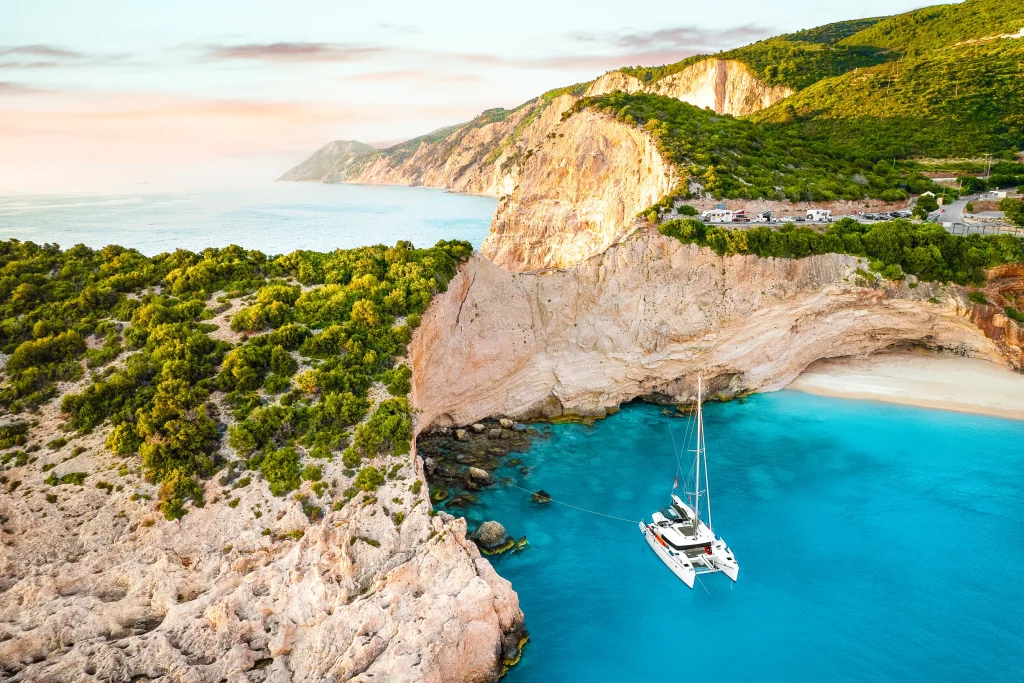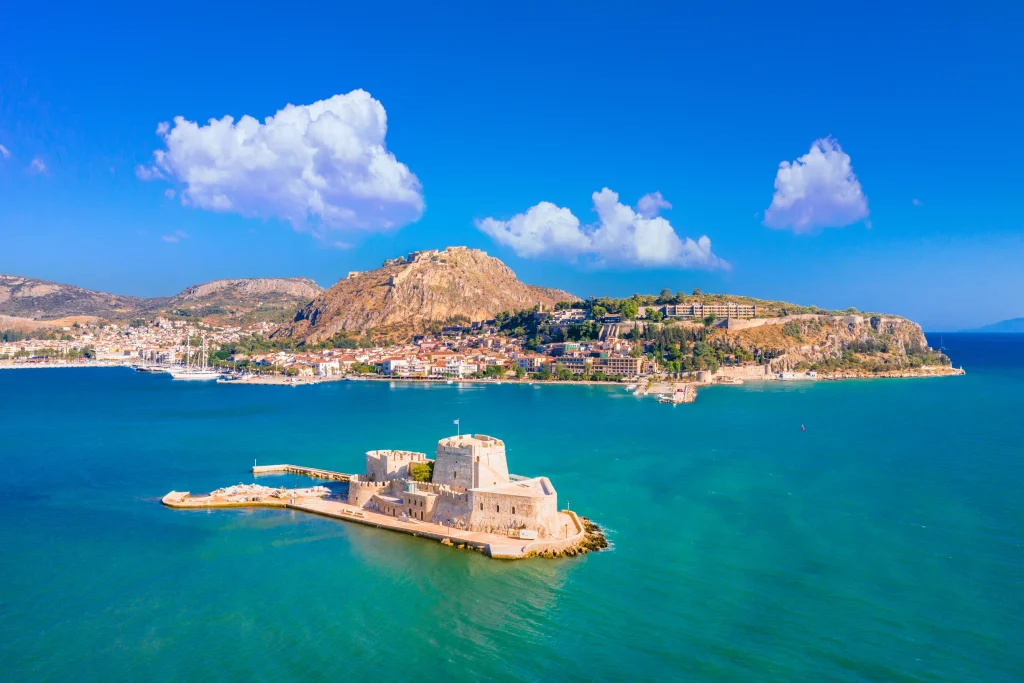
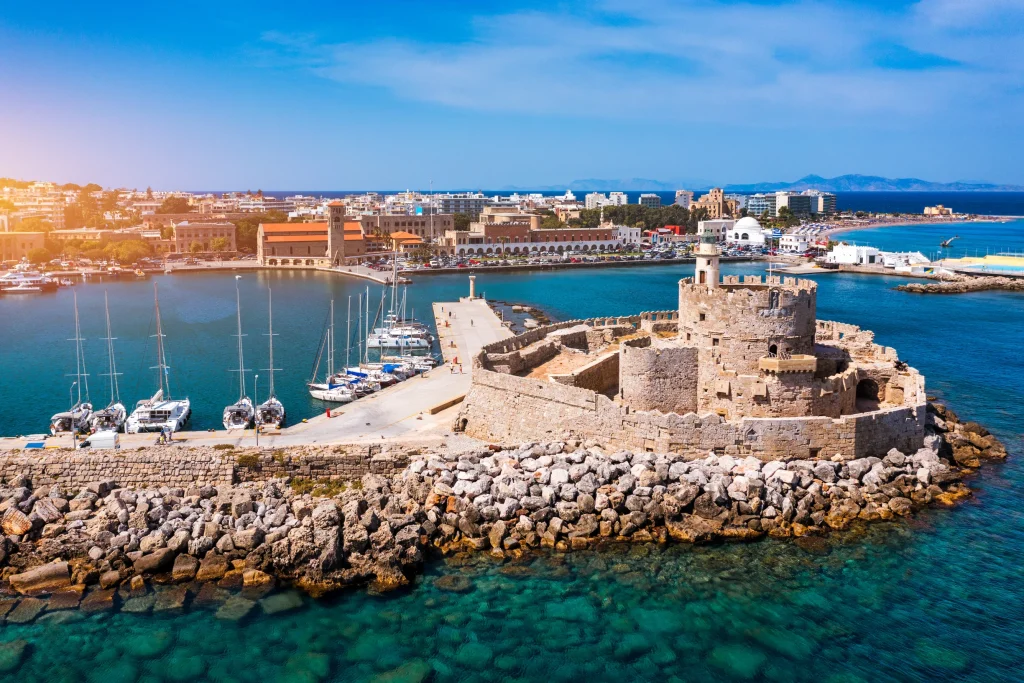
The Great Aegean One-Way: Athens to Rhodes by Catamaran in 10 Days (2027 Season)
Ride the meltemi downwind from Athens to Rhodes in 10 days, the one Greek passage where a one-way fee pays for itself.
Read more
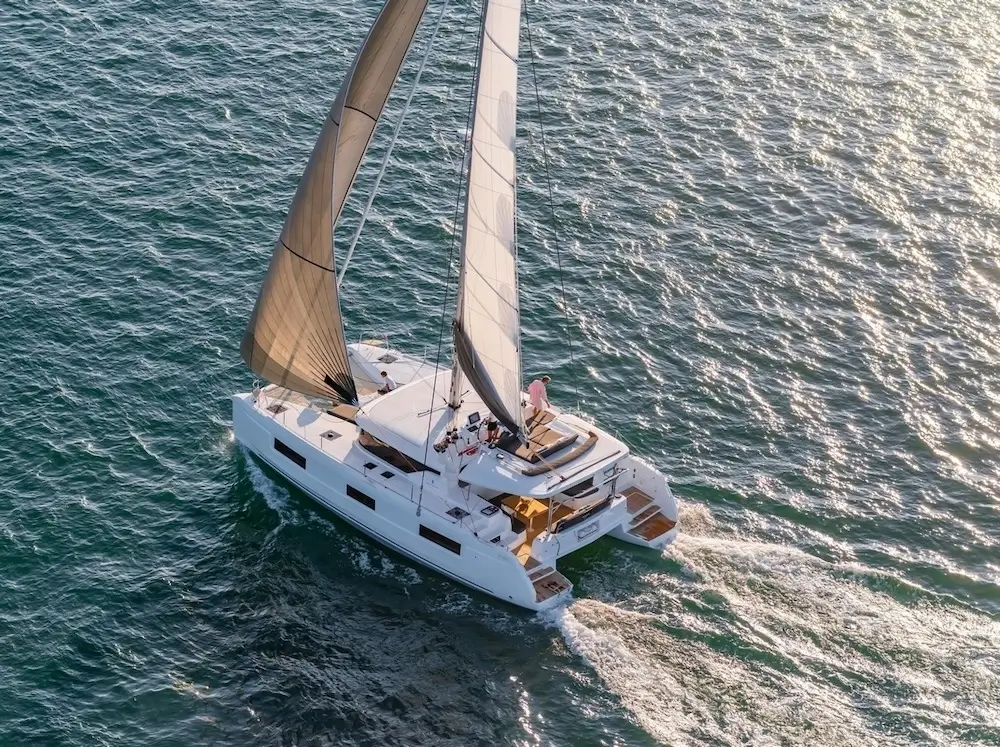
The age-old debate in the sailing community often revolves around the complexity and ease of sailing different types of vessels. Among the top contenders for this discussion is the catamaran, a vessel known for its stability and space. But is it truly more challenging to sail than its counterparts? Let’s embark on this exploration.
Before delving into the intricacies of sailing, it’s essential to grasp what makes a catamaran unique.
The catamaran’s design finds its roots in the South Pacific, where indigenous people crafted these double-hulled boats to travel between islands. Their evolution in the modern world has seen enhancements in design, primarily focusing on speed, stability, and comfort.
The hallmark of a catamaran is its twin hulls, connected by a rigid platform. This dual-hull structure distributes the vessel’s weight more evenly across the water’s surface, leading to increased stability, especially in turbulent conditions.
With their rise in popularity, many sailors, both novices and veterans, are drawn to catamarans. Their appeal often lies in the promise of spacious accommodations and a smoother sailing experience, especially in regions like the Mediterranean. If you’ve ever considered bareboat sailing in Greece, you’d know the allure catamarans hold in such serene waters.
Is It More Difficult To Sail A Catamaran 2
To determine if sailing a catamaran is indeed more difficult, we need to first understand its benefits.
The broad stance of the twin hulls provides an unparalleled level of comfort, even in choppy waters. This feature reduces the vessel’s proclivity to tilt or heel, ensuring passengers have a consistent and stable experience.
For those who prioritize space, catamarans are the answer. With wide decks and generous interiors, they offer more living and storage areas than monohulls of equivalent length.
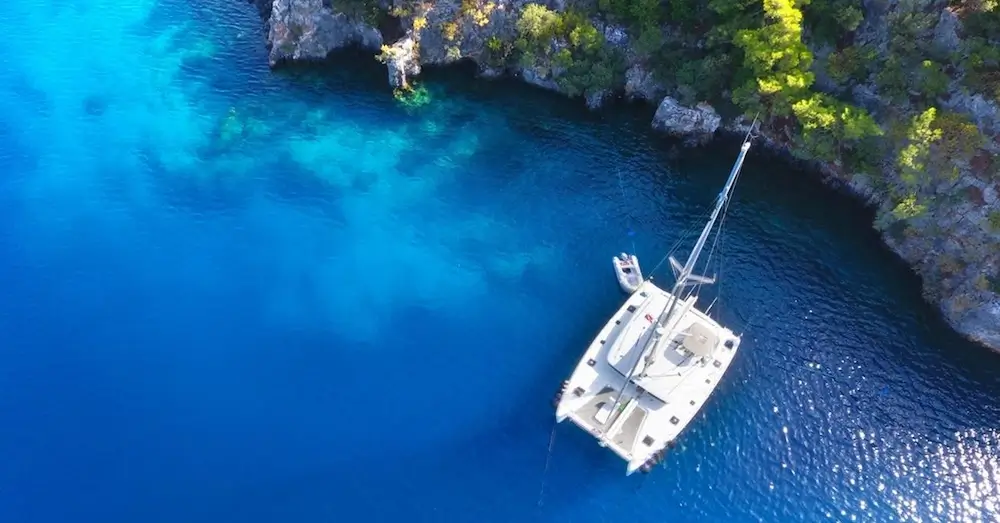
Catamarans boast a shallow draft, a trait allowing them to sail into regions that deeper-hulled vessels might find challenging. This advantage means sailors can explore secluded beaches, hidden coves, and other off-the-beaten-path locations.
One cannot discuss sailing without addressing the financial aspects. When debating whether catamarans are more economical than yachts, several considerations come into play, including maintenance costs, fuel efficiency, and initial investment.
Is It More Difficult To Sail A Catamaran 3
Despite their plethora of advantages, catamarans do present specific challenges that sailors must navigate. Understanding these complexities is key to making an informed decision about whether catamaran sailing is right for you.
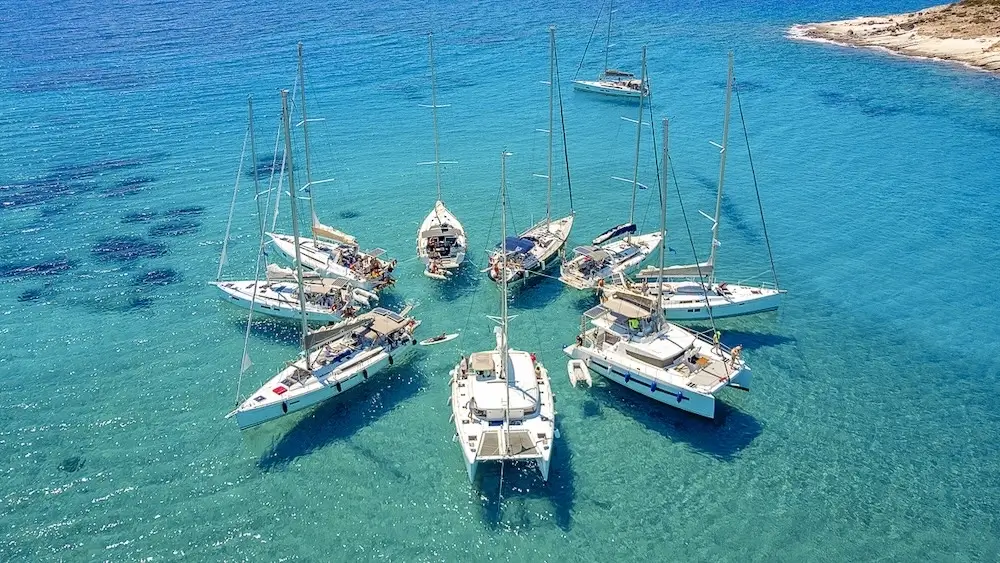
While catamarans boast an impressive stability in open waters, their wide structure can pose difficulties in tight harbors or marinas. This spatial challenge demands greater skill and precision from the sailor, especially when docking or mooring.
The expansive surface area of a catamaran, including its hulls and superstructure, can be impacted significantly by strong winds. This large windage can make certain maneuvers more challenging, especially in stormy conditions.
Tacking, or changing the boat’s direction relative to the wind, can be slightly more complex on a catamaran than on a monohull. Given the boat’s design, sailors often need to maintain momentum and use precise techniques to ensure smooth tacks.
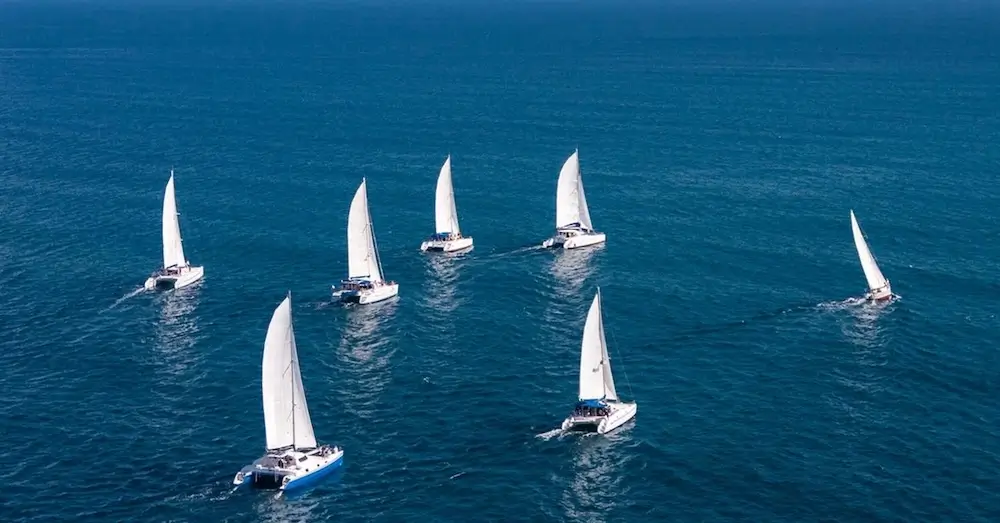
While catamarans can achieve impressive speeds downwind, they may not always match the upwind speeds of performance monohulls. It’s essential for sailors to understand these limitations and adjust their sailing strategies accordingly.
Is It More Difficult To Sail A Catamaran 4
For those new to catamarans, preparation is key. Here’s how you can brace yourself for a seamless experience.
Consider undertaking specialized training courses that focus on catamaran-specific techniques. These courses often delve into the nuances of handling twin-hulled vessels and can significantly boost confidence.
Each catamaran is unique. Spend time getting to know your vessel, its systems, and its quirks. Familiarity can greatly assist in handling challenging situations.
If you’re looking to charter a catamaran, be discerning in your choice. Ensure the charter aligns with your skill level and the kind of experience you seek. For instance, Greece offers some splendid options, and finding the best place to yacht rental Greece can significantly influence your sailing experience.
While challenges exist, many seasoned sailors and newcomers alike have embraced the allure of catamarans. Their benefits often outweigh the learning curve, making them a sought-after choice for many maritime adventures.

Is It More Difficult To Sail A Catamaran 5
Thanks to their twin-hulled design, catamarans are known for their stability. The risk of capsizing is significantly reduced, especially when compared to traditional monohull vessels. This feature not only ensures safety but also provides peace of mind to those on board, especially during longer voyages.
One cannot discuss catamarans without highlighting the ample space they offer. With large deck areas, spacious cabins, and expansive lounging areas, catamarans are ideal for those who value comfort during their sea journeys. Whether you’re on a family vacation, a romantic getaway, or an expedition with friends, the catamaran ensures everyone has their own personal space.
Sailing a catamaran offers a distinct sensation that’s different from traditional sailing vessels. The absence of heeling, combined with the vessel’s gentle movement, offers a smooth sailing experience. For those who might be prone to seasickness on monohulls, catamarans can be a game-changer.
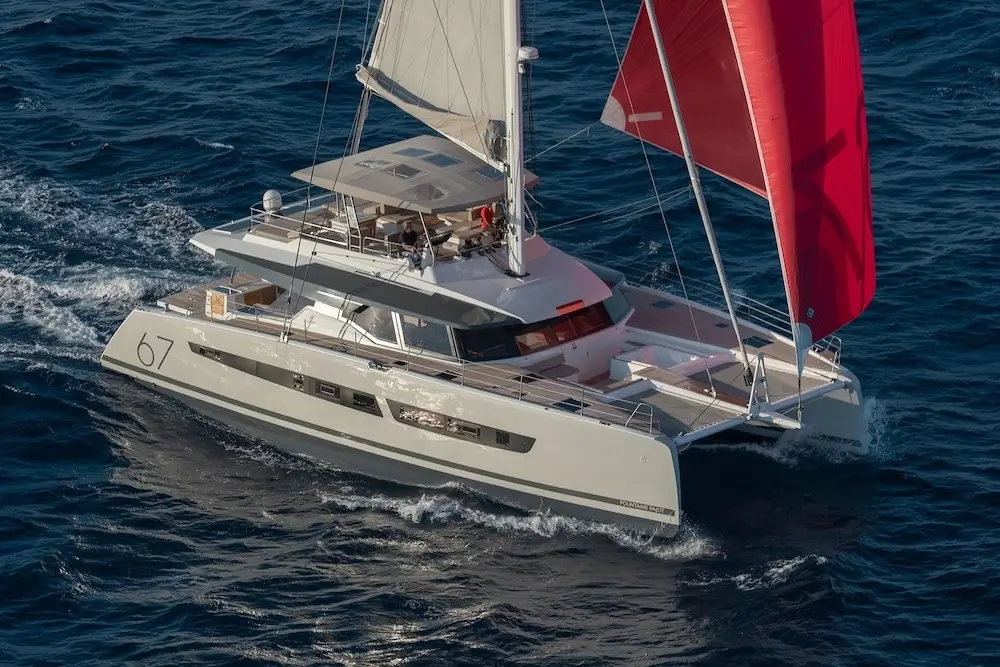
Is It More Difficult To Sail A Catamaran 6
If you’re convinced about the merits of catamaran sailing and are looking to charter one for your next adventure, it’s essential to make the right choice. Platforms like Catamaran Charter Greece provide a diverse range of options tailored to different needs and experience levels.
Sailing, at its core, is about the harmony of man, machine, and nature. Catamarans, with their unique design and features, have carved a niche for themselves in the world of sailing. While they do present certain challenges, with the right training and mindset, these can be easily navigated. catamarans promise an unforgettable sailing experience.
For those looking to embark on a sailing adventure, remember to weigh the pros and cons, and perhaps even consider other options like yacht rental Greece to see which aligns best with your maritime dreams.
Greek weeks call for shore stops with their own ritual — grilled octopus and a chilled carafe of Assyrtiko on a Naxos taverna terrace, tzatziki and freshly baked tiropita in the morning, while the Meltemi grumbles offshore and the harbour stays calm.
Choose your dates and destination, browse our fleet, and use request a quote to lock in pricing. Our team confirms availability with the agency and emails the booking summary within 24 hours.
For most bareboat charters in Greece you need a recognised skipper certificate (RYA Day Skipper, ICC, or equivalent) plus a VHF licence. If you don’t hold one, we book a professional skipper alongside the boat for the week.
The base charter fee covers the boat, standard equipment, insurance, and final cleaning fee in most cases. Extras such as fuel, port fees, transit log, tourist tax and skipper service are billed separately and explained in the booking summary.
For peak weeks (mid-July to late August) we recommend booking 6–9 months ahead to lock in the boat and the early-bird discount. Shoulder seasons (May, June, September) usually have availability up to a month before departure.
This guide was prepared by the Catamaran Charter Greece editorial team — a group of charter agents and sailors who have been organizing yacht charters in Greece since 2013. Every itinerary, marina, and pricing range described here reflects current first-hand fleet experience and direct partnership with licensed charter agencies. Last reviewed: May 2026.
If a detail looks out of date, write us at www.catamaran-charter-greece.com/contact — we update guides quarterly.